
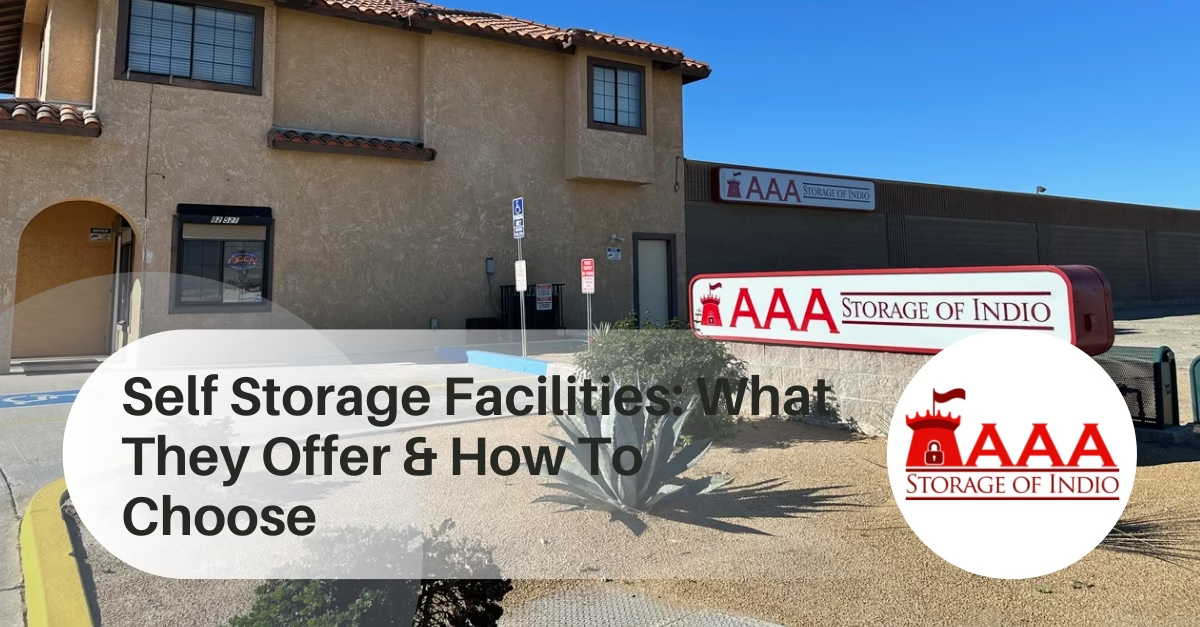
Self Storage Facilities: What They Offer & How to Choose the Right One for Your Needs
When life changes happen, whether you’re moving to a new home, downsizing, or simply running out of space, you might find yourself wondering where to put all your belongings. Storage facilities have become an increasingly popular solution for people facing space challenges. These facilities offer a secure place to store items you don’t use daily but still want to keep safe.
Understanding what storage facilities can do for you and how to pick the right one makes a big difference. The right facility keeps your items protected while fitting your budget and location needs. Let’s explore what these facilities offer and how you can make the best choice for your situation.
What Storage Facilities Provide
Modern self storage facilities go far beyond simple locked rooms. Today’s storage options give you flexibility and security that work with your lifestyle. These facilities serve many purposes, from short-term moves to long-term organization solutions.
Security stands out as one of the most important benefits. Most facilities feature surveillance cameras, gated access, and well-lit grounds. Many require you to use a personal access code, so only you can enter your unit. This protection gives you peace of mind knowing your belongings are safe.
Climate control represents another valuable service many facilities offer. Temperature and humidity-controlled units protect delicate items like electronics, furniture, and documents from damage. Without climate control, extreme heat, cold, or moisture can ruin valuable possessions. If you’re storing antiques, artwork, or important papers, climate control becomes essential.
Size options vary significantly at different facilities. You can find units as small as a closet or as large as a garage. This range means you pay only for the space you actually need. Whether you’re storing a few boxes or an entire household, there’s typically a unit size that matches your requirements.
Many facilities provide additional conveniences. Loading areas with dollies and handcarts make moving items easier. Extended access hours allow you to visit your unit when it works for your schedule. Some locations even offer packing supplies, making the entire process more convenient.
Different Types of Storage Solutions
Storage facilities come in several varieties, and understanding the differences helps you choose wisely. Each type serves specific needs and offers distinct advantages.
Indoor climate-controlled units work best for sensitive items. These spaces maintain consistent temperatures and humidity levels throughout the year. Electronics, musical instruments, wooden furniture, and collectibles thrive in these environments. You’ll pay more for climate control, but the protection often justifies the cost.
Standard indoor units provide basic storage without climate control. These work well for items that aren’t sensitive to temperature changes. Metal shelving, garden equipment, and seasonal decorations do fine in regular indoor units. This option typically costs less than climate-controlled alternatives.
Outdoor covered storage offers a middle ground option. Your items stay protected from direct sun and rain, but temperature can fluctuate. This solution works for things like boats, RVs, and vehicles. It’s usually the most affordable choice among covered options.
Vehicle storage serves a specific purpose for people with extra cars, motorcycles, or recreational vehicles. These dedicated spaces protect your vehicles from weather damage and theft. Many facilities include covered parking to shield vehicles from harsh conditions.
Evaluating Storage Facility Options
Choosing the right facility requires considering several important factors. Taking time to evaluate your options prevents costly mistakes and ensures you get what you actually need.
Location matters more than many people realize. A facility close to your home or workplace makes access convenient. If you need to retrieve items frequently, proximity saves time and transportation costs. However, don’t sacrifice quality and security just for convenience.
Security features deserve careful attention. Visit facilities in person and ask about their specific security measures. Find out about camera coverage, access restrictions, and lighting. Ask whether staff members are present during business hours and what happens after hours. Knowing these details helps you trust that your belongings will remain safe.
Pricing structure should be transparent and understandable. Ask about base rental costs, insurance options, and any additional fees. Some facilities charge for gate access codes, late payments, or administrative fees. Understanding the complete cost picture prevents surprises later. Compare prices among several facilities, but remember that the cheapest option isn’t always the best value.
Unit cleanliness indicates how well the facility is maintained overall. When you tour a facility, check whether units are clean and pest-free. Look at the grounds and common areas. A well-maintained facility suggests management takes their job seriously and will protect your items properly.
Customer reviews provide honest insights into real experiences. Check online reviews and ask the facility for references. Pay attention to comments about cleanliness, security, and customer service. People typically leave reviews when they have strong positive or negative experiences, so consider the overall pattern rather than individual comments.
Insurance coverage protects your investment. Most facilities aren’t responsible if your items get damaged or stolen. Ask about insurance options and whether your home or renters insurance extends to stored items. Understanding liability helps you decide whether to purchase additional coverage.
Sizing Your Storage Space Needs
Choosing the right unit size prevents wasting money on unused space. Too small and you’ll struggle to fit everything. Too large and you’ll pay for more than you need.
For small storage needs, a five-by-five-foot unit holds roughly one bedroom’s worth of items. This works for students storing seasonal clothes or people with just a few boxes.
A five-by-ten-foot unit typically accommodates furniture from a one-bedroom apartment plus boxes. This middle-size option serves many people dealing with moves or downsizing.
Larger ten-by-ten or ten-by-fifteen-foot units store multiple rooms of furniture and belongings. These suit families relocating or people combining households.
Most facilities let you tour available units before deciding. Visualizing your actual belongings in the space helps you choose accurately. If you’re unsure, start with a slightly larger unit rather than too small.
Lease Terms and Flexibility
Storage facility leases vary in flexibility. Some require long-term commitments while others allow month-to-month rental. Understand what you’re signing before committing.
Month-to-month agreements offer flexibility if your situation might change soon. You can end the agreement with notice, typically thirty days. This works well for temporary situations like between moves or during renovations.
Longer-term contracts often provide discounts. If you know you’ll need storage for six months or a year, l
Common Mistakes People Make When Selecting and Using Self Storage Units
Choosing and using a self storage unit might seem straightforward, but many people overlook important details that could cost them money, security, or peace of mind. Understanding these pitfalls helps you make smarter decisions about your storage needs and protect your belongings effectively.
Overlooking Your Actual Storage Needs
One of the biggest mistakes people make is renting a unit that doesn’t match their actual requirements. Some customers pick the first available space without calculating how much room they truly need. This often leads to paying for more storage than necessary, which wastes money over time.
Before signing any rental agreement, take inventory of what you’re storing. Measure your furniture and boxes. Consider climate-sensitive items that might need special conditions. Write down the dimensions of your items and compare them against available unit sizes. Most self storage facilities offer different dimensions—from small closet-sized units to large garage-sized spaces. Getting the right fit saves you hundreds of dollars annually.
On the flip side, some people underestimate their needs and choose units that are too small. This forces them to stack items unsafely, which can damage belongings and make retrieval difficult. The sweet spot is finding a unit with some breathing room without excessive empty space.
Ignoring Climate Control Features
Humidity and temperature fluctuations can destroy valuable items. Yet many people store sensitive belongings in standard, non-climate-controlled units. Electronics, wooden furniture, photographs, documents, and artwork all suffer in extreme heat and moisture.
Climate-controlled storage maintains consistent temperatures year-round, protecting your items from damage. Yes, these units cost more than traditional storage, but the investment pays off when your valuables remain in excellent condition. If you’re storing items that matter to you financially or sentimentally, climate control isn’t a luxury—it’s essential.
Think about what you’re storing before dismissing climate-controlled options. Even items you think are durable, like winter clothing or leather goods, can deteriorate in fluctuating temperatures and high humidity.
Choosing the Wrong Location
Distance from your home or business matters more than most people realize. Selecting a storage facility that’s too far away discourages regular access to your items. This might sound like a minor point, but it affects how well you maintain your unit and how easy retrieval becomes.
When an emergency requires you to grab something from storage, you want a facility that’s reasonably close. Long drives make quick access impossible and increase wear on your vehicle. Conversely, finding a facility near your home or workplace encourages proper maintenance and organization of your stored items.
Additionally, consider the facility’s reputation in different neighborhoods. Some areas have better security and management practices than others. Research reviews and visit potential locations before committing.
Neglecting Security and Safety Features
Your belongings deserve protection. Yet many renters don’t thoroughly evaluate the security measures at storage facilities. Missing critical safety features puts your items at risk of theft or damage.
Look for these essential security elements:
- 24-hour video surveillance with recorded footage
- On-site security personnel or regular patrols
- Gated access with individual unit locks
- Well-lit grounds, especially parking areas
- Access restricted to paying customers only
Visit facilities during different times of day. Evening hours reveal whether the property maintains proper lighting. Check if gates function properly and if staff members monitor the grounds. Don’t assume all facilities meet basic security standards—they don’t.
Poor Packing and Organization Methods
How you pack your unit directly impacts the condition of your belongings and your ability to find items when needed. Many people throw boxes and furniture into units haphazardly, creating unstable stacks and damaged goods.
Create a clear organizational system before moving items in. Keep frequently accessed items near the front. Store heavier items on lower shelves. Use uniform boxes when possible, and label everything clearly. Leave pathways so you can reach items without moving other things around.
Don’t leave empty space unused. Pack strategically to use vertical space efficiently while protecting your items from damage caused by collapsing stacks.
Forgetting Insurance Coverage
Most self storage facility insurance doesn’t cover customer belongings. This means if theft, fire, or weather damage occurs, you bear the financial loss. Many people rent units without adding personal storage insurance to their policies.
Contact your homeowner’s or renter’s insurance agent to add storage coverage. Some renters policies extend to storage units, while others require additional riders. This relatively inexpensive protection offers crucial peace of mind.
Missing Contract Details and Terms
People often skim rental agreements without reading important terms. Hidden fees, automatic renewal clauses, and payment requirements can surprise you later. Take time to understand your contract fully.
Ask questions about late fees, access hours, prohibited items, and exit procedures. Know your cancellation rights and any penalties for breaking your lease early. Clear understanding prevents costly mistakes down the road.
Being careful about your self storage selection and usage protects your belongings while saving money. Avoid these common errors and you’ll have a positive experience with your storage solution.
Conclusion
Finding the right self storage facility doesn’t have to be overwhelming. Whether you’re decluttering your home, managing a business, or dealing with a temporary life transition, self storage units offer flexible and affordable solutions that fit your unique situation.
The key to making the best choice is understanding what you actually need. Take time to assess your storage requirements, think about climate control and security features that matter most, and compare pricing among local facilities. Visit potential units in person before committing, and don’t hesitate to ask questions about their services, policies, and any hidden fees.
Remember that common pitfalls can derail your storage experience. Many people underestimate how much space they need, leading to cramped units and difficulty accessing items. Others skip the organizational step, which makes retrieving belongings frustrating later. Proper packing, labeling, and inventory management transform your self storage unit from a chaotic catch-all into an efficient system you can actually use.
Take advantage of the flexibility that self storage offers. Move up to a larger unit if you need it, downsize when you’ve decluttered, or adjust your rental period based on changing circumstances. Most facilities make these adjustments simple and straightforward.
By selecting a reputable self storage facility that aligns with your needs and using it strategically, you’ll experience the real benefits these spaces provide. You’ll enjoy more organized surroundings, peace of mind knowing your belongings are secure, and the freedom to live or work more effectively. Your next step? Start researching local self storage facilities today and find the perfect fit for your storage needs.
What You Get at AAA Storage of Indio
- $1 first month on any unit — no exceptions
- Rate locked for 12 months — no surprise increases
- All drive-up, ground-level units — load and unload from your vehicle
- No deposit required — just $1 rent + $25 admin fee to move in
- Month-to-month lease — no long-term commitment
- Military, senior, and first responder discounts available
- Gated access with 24/7 video surveillance — 12-foot concrete walls
- Family-owned for over 30 years — not a corporation
Ready to Lock In Your Rate?
Stop overpaying at the big chains. Call us at (760) 342-5911 or stop by 82521 Market Street, Indio, CA 92201. We’re open Tuesday through Saturday.
Move in for $1. Keep the lowest rate in the Coachella Valley. It’s that simple. https://aaastorageofindio.com/rates/
Serving: Indio | La Quinta | Palm Desert | Bermuda Dunes | Coachella | Rancho Mirage | Indian Wells