
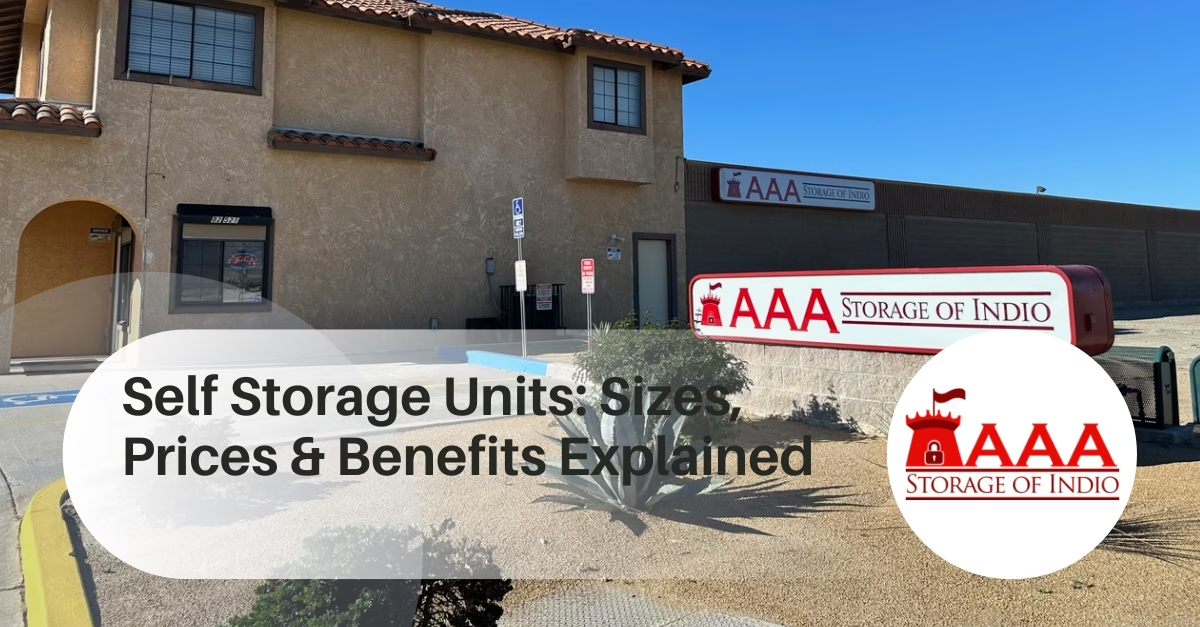
Self Storage Units: Sizes, Prices & Benefits Explained
When you need extra space to store your belongings, a self-storage unit might be exactly what you’re looking for. Whether you’re downsizing, renovating your home, or simply need a place to keep seasonal items, understanding your options makes the decision easier. Let’s explore what makes storage units practical and how to find the right fit for your needs.
Understanding Self-Storage Unit Dimensions
Storage units come in various sizes, and picking the right one depends on what you plan to store. The smallest units, typically 5×5 feet, offer about 25 square feet of space. These compact storage units work well for storing a few boxes, small furniture pieces, or seasonal decorations. If you’re storing items from a small apartment bedroom or a closet, this size provides an affordable solution.
The next step up is a 5×10 foot unit, which doubles the space to 50 square feet. This size accommodates items from a single bedroom, including a bed frame, dresser, nightstands, and boxes. Many people choose this option when they need moderate storage without paying for excess space.
A 10×10 unit gives you 100 square feet of storage area. This popular size holds contents from an entire apartment or a large home office. You can fit a sofa, dining table, multiple filing cabinets, and numerous boxes in this configuration.
For larger needs, 10×20 foot units provide 200 square feet. This size typically stores the contents of a three-bedroom home, including large appliances, furniture from multiple rooms, and extensive boxes. Many people moving between homes or managing estate sales find this size particularly helpful.
The largest standard units, 10×30 feet, offer 300 square feet of space. These units can hold nearly everything from a large house, including vehicles in some cases. Climate-controlled versions of these larger units cost more but protect sensitive items from temperature and humidity changes.
Storage Unit Pricing and Cost Factors
Pricing for self-storage units varies significantly based on several key factors. Location plays a major role in determining costs. Units in urban areas typically cost more than those in rural regions. A 5×5 unit in a busy city might cost $50-100 monthly, while the same unit in a small town could run $20-40 per month.
Unit size directly affects your rental price. Smaller units cost less upfront, but larger units provide better value per square foot. When you calculate cost per square foot, a 10×20 unit often costs less per square foot than a 5×5 unit.
Climate control features increase monthly costs significantly. Standard units expose your belongings to temperature and humidity changes. Climate-controlled units maintain consistent temperatures and humidity levels, protecting electronics, furniture, and documents. Expect to pay 30-50% more for climate-controlled storage.
Access frequency also matters. Units with 24/7 access typically cost more than those with limited access hours. If you frequently need items from your unit, paying extra for round-the-clock access makes sense.
Promotional pricing and lease terms affect your final cost. Many facilities offer discounts for long-term commitments or first-time renters. Some charge lower rates for annual leases compared to month-to-month agreements.
Key Benefits of Using Self-Storage Solutions
Self-storage units offer practical advantages for various situations. During a home renovation, storage units keep your belongings safe while workers access your space freely. You avoid damage to furniture and can complete projects more efficiently.
When downsizing to a smaller home or apartment, storage units bridge the gap between what you own and what fits in your new space. Rather than rushing to sell or discard items, you keep them safely stored while deciding their future.
Business owners use storage units for inventory management, seasonal stock, and equipment storage. This solution costs less than renting commercial warehouse space.
Students benefit from storage during summer breaks when dorms close or temporary housing isn’t available. Keeping textbooks, furniture, and personal items in a unit costs far less than moving everything home and back.
Storage units provide flexibility for life transitions. During job relocations, separations, or family changes, temporary storage offers breathing room without making permanent decisions about your possessions.
Security features protect your belongings through surveillance cameras, gate access, and individual unit locks. Professional facilities maintain their properties and respond quickly to security concerns.
Choosing the Right Storage Solution for Your Needs
Start by listing everything you want to store. Go through your home and categorize items by type and size. This inventory helps you estimate how much space you’ll actually need.
Consider your timeline. Short-term storage needs might make month-to-month flexibility worth the slightly higher cost. Long-term storage could justify committing to an annual lease for better rates.
Think about access frequency. If you’ll retrieve items regularly, invest in a unit with convenient hours and a location close to your home or workplace.
Evaluate what you’re storing. Sensitive items like electronics, wooden furniture, or documents benefit from climate-controlled environments. Standard units work fine for tools, sports equipment, and seasonal decorations that tolerate temperature changes.
Compare facilities in your area. Clean, well-maintained properties with good reviews typically provide better security and customer service. Visit potential units in person before committing.
Understanding storage unit options empowers you to make a smart choice that fits your budget and meets your storage needs effectively.
How to Choose the Right Storage Solution for Your Needs
Finding the right storage solution requires careful thought about what you actually need. Whether you’re downsizing, moving, or simply need extra space, understanding your options helps you make a smart decision that saves you money and stress.
Understanding Your Storage Needs
Before you start looking at self storage units, take time to figure out exactly what you need to store. Walk through your home and identify items you want to keep but don’t use regularly. Think about seasonal decorations, old furniture, sports equipment, and personal collections. Make a list of everything and estimate how much space it will take up.
Consider how long you’ll need the storage. Are you storing items temporarily during a move, or do you need storage for several years? Short-term needs might work with a smaller space, while long-term storage might benefit from a slightly larger unit that gives you room to organize everything properly.
Self Storage Units: Sizes, Prices & Benefits Explained
Self storage units come in many different sizes to fit various needs and budgets. Understanding what’s available helps you choose exactly what works for you without paying for space you don’t need.
Common Storage Unit Sizes
The smallest storage units typically measure about 5×5 feet, which gives you roughly 25 square feet of space. This size works well for storing a few boxes, seasonal decorations, or small furniture pieces. These compact units suit people who need basic storage without breaking the bank.
Medium-sized units generally range from 10×10 to 10×15 feet, providing between 100 and 150 square feet. This size accommodates the contents of a small bedroom, including a dresser, bed frame, and boxes of personal items. Many people find this size strikes the perfect balance between affordability and usable space.
Larger units start at 10×20 feet and go up to 10×30 feet or bigger. These spacious options can hold the contents of an entire house, including large furniture, appliances, and numerous boxes. Businesses often use these sizes for inventory storage or equipment.
Pricing Factors That Affect Your Budget
Self storage prices vary based on several important factors. Unit size is the biggest influence on price. A 5×5 unit costs significantly less than a 10×20 unit because it offers much less space. Location matters too. Storage facilities in urban areas typically charge more than those in rural locations due to higher land costs and demand.
Climate control affects pricing as well. Units that maintain consistent temperature and humidity levels cost more than basic storage. However, climate-controlled storage protects valuable items, electronics, and documents from damage caused by extreme temperatures or moisture. Seasonal pricing also plays a role, with prices sometimes increasing during peak moving seasons like summer.
Access frequency influences some facilities’ pricing too. Twenty-four-hour access to your unit might cost slightly more than standard business hours access. Security features and amenities also impact costs. Facilities with surveillance cameras, gated access, and insurance options typically charge premium rates.
Benefits of Using Self Storage Units
Storage units provide flexibility when life circumstances change. During a move, they give you time to find a new home without rushing. You can store items safely while transitioning between locations, reducing stress during an already busy time.
Self storage helps you declutter your living space without getting rid of items you might need later. This creates a more organized home environment and can actually improve your mental health by reducing visual clutter. You get the benefits of a clean space while keeping sentimental or valuable items.
Businesses benefit tremendously from self storage units. Retail shops store seasonal inventory, service businesses keep equipment organized, and creative professionals safely store completed projects or materials. Storage provides affordable alternatives to expanding physical business locations.
Self storage offers security for valuable items. Professional facilities provide protection through cameras, security gates, and insurance options. This peace of mind matters when storing family heirlooms, important documents, or expensive equipment.
Comparing Storage Facilities
Before signing any agreement, visit potential storage facilities in person. Check the cleanliness, lighting, and overall condition of the property. Talk to staff members about their services and ask questions about your concerns.
Read online reviews from current and former customers. Real experiences from other people using the facility provide valuable insights into reliability and customer service quality. Look for comments about security, cleanliness, and whether staff treated customers fairly.
Compare pricing between several facilities. Get quotes that specify exactly what’s included in the price. Some places charge extra for insurance, while others bundle it into the monthly fee. Ask about any promotional discounts for first-time customers or long-term leases.
Check what insurance options are available. Your homeowner’s or renter’s insurance might cover stored items, but many people add storage-specific insurance for extra protection. Understanding coverage prevents expensive surprises if something gets damaged.
Making Your Final Decision
Choose a storage unit size that matches your actual needs without paying for unnecessary space. A storage professional at the facility can help you determine the right size if you’re unsure. They often help you visualize how much space different unit sizes actually provide.
Think about location and accessibility. Pick a facility that’s reasonably close to your home or workplace for convenient access. Consider whether you need twenty-four-hour access or if standard hours work for your situation.
Prioritize security and climate control based on what you’re storing. Valuable items, electronics, and documents deserve the extra investment in climate-controlled units with strong security. Less valuable items can go in basic units if budget is your main concern.
Read all contract terms carefully before committing. Understand payment schedules, cancellation policies, and any additional fees. Knowing these details upfront prevents problems later on.
The right storage solution aligns with your budget, protects your belongings appropriately, and provides convenient access when you need it. Take your time comparing options and making a thoughtful decision that fits your specific situation.
Conclusion
Self storage units offer practical solutions for anyone needing extra space, whether you’re downsizing, moving, or simply running out of room at home. Understanding the different sizes available helps you pick the perfect fit for your belongings without paying for unused space. From small 5×5 units ideal for seasonal items to large 10×30 spaces perfect for furniture and vehicles, there’s an option for every situation.
Pricing varies based on location, unit size, and amenities, so comparing local facilities helps you find the best value. Many people are surprised to learn that storage costs less than they expected, especially when they calculate what they’d spend on a larger home or apartment. Climate-controlled units protect valuable items from temperature and humidity changes, making them worth the extra investment for sensitive belongings.
Choosing the right storage solution means honestly assessing what you need to store and how long you’ll need the space. Take time to measure your items before renting, and don’t hesitate to ask facility managers questions about security, access hours, and any hidden fees. The right self storage unit becomes an extension of your home, giving you peace of mind and freedom from clutter.
Whether you need temporary storage during a transition or long-term space for seasonal decorations and equipment, self storage units provide flexibility and convenience. The key is matching your specific needs with the right size and features. With careful planning and clear understanding of your options, you’ll find a storage solution that fits your budget and lifestyle perfectly.
What You Get at AAA Storage of Indio
- $1 first month on any unit — no exceptions
- Rate locked for 12 months — no surprise increases
- All drive-up, ground-level units — load and unload from your vehicle
- No deposit required — just $1 rent + $25 admin fee to move in
- Month-to-month lease — no long-term commitment
- Military, senior, and first responder discounts available
- Gated access with 24/7 video surveillance — 12-foot concrete walls
- Family-owned for over 30 years — not a corporation
Ready to Lock In Your Rate?
Stop overpaying at the big chains. Call us at (760) 342-5911 or stop by 82521 Market Street, Indio, CA 92201. We’re open Tuesday through Saturday.
Move in for $1. Keep the lowest rate in the Coachella Valley. It’s that simple. https://aaastorageofindio.com/rates/
Serving: Indio | La Quinta | Palm Desert | Bermuda Dunes | Coachella | Rancho Mirage | Indian Wells