
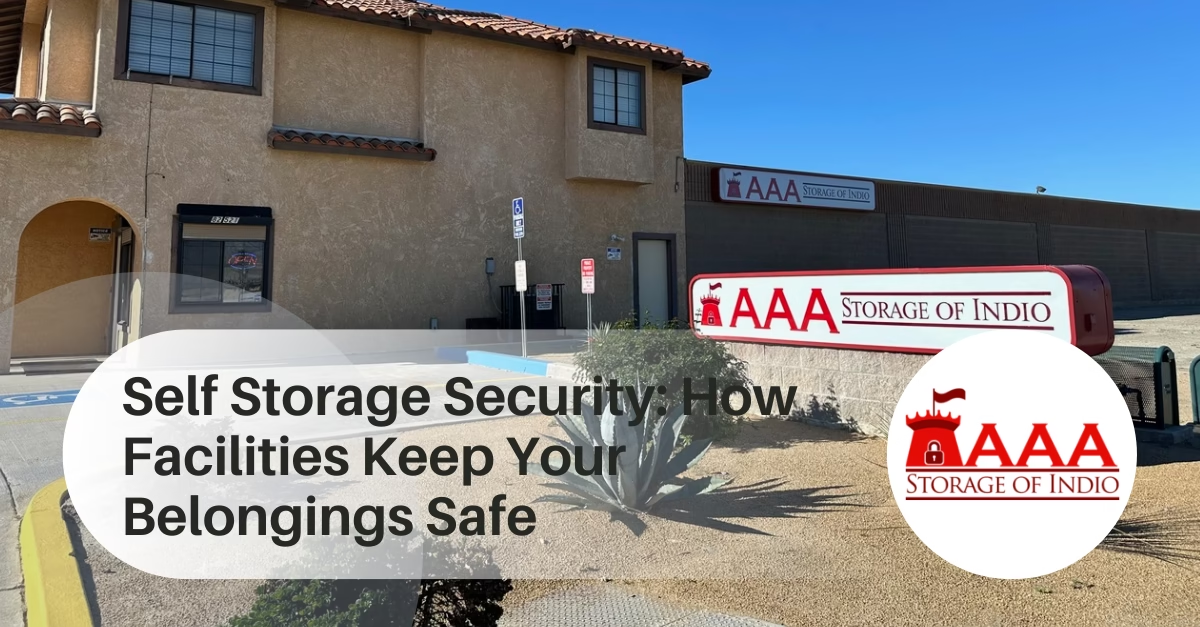
Multi-Layered Security Systems That Protect Your Stored Belongings in Self Storage Facilities
When you store your valuables, important documents, or seasonal items in a self storage facility, you want peace of mind knowing they’re protected. Modern self storage security goes far beyond a simple lock on your door. Today’s facilities use sophisticated, multi-layered security systems that work together to create a comprehensive safety net for your belongings. Understanding how these systems function helps you choose the right facility and feel confident about your storage decision.
The foundation of self storage security starts with physical barriers and access controls. Most reputable facilities feature sturdy perimeter fencing that prevents unauthorized entry from outside. These barriers are often combined with electronic gates that require keypad codes or key fobs to enter the property. When you rent a unit, you receive a unique access code or key that only opens your specific storage area. This personalized approach means that even if someone gains entry to the facility, they can’t randomly access multiple units.
Video Surveillance and Monitoring Technology
Cameras represent one of the most visible layers of self storage security. High-definition video surveillance systems monitor entrance points, hallways, common areas, and sometimes individual units. These cameras record continuously, creating a detailed record of who enters and exits the facility at any time. Many facilities position cameras strategically to cover blind spots and ensure comprehensive coverage throughout the property.
Modern video systems store footage digitally, making it easy to review incidents if needed. Security personnel can quickly access recordings to investigate concerns or verify activities. The presence of visible cameras also acts as a strong deterrent. Potential thieves know they’re being recorded, which makes them far less likely to attempt any criminal activity.
Beyond standard cameras, some advanced facilities use motion-activated recording systems. These intelligent cameras only store footage when movement is detected, which saves storage space while maintaining complete security coverage. Thermal imaging technology is another innovation gaining popularity in high-end storage facilities. This technology detects heat signatures, allowing security staff to identify unauthorized human activity even in complete darkness.
Controlled Access Systems and Visitor Management
Limiting who can enter a storage facility is crucial for protecting your belongings. Advanced access control systems track every entry and exit, creating a complete log of facility access. When you swipe your key card or enter your code, the system records the exact time you accessed the property. This data helps security personnel identify unusual access patterns that might indicate unauthorized activity.
Many facilities require visitors to check in at an office before accessing units. Staff members verify that visitors have legitimate reasons for being at the facility and ensure they’re accompanied by the renting customer. Some facilities restrict visitor access to specific hours, adding another layer of protection. These visitor management protocols prevent strangers from wandering through storage areas unsupervised.
Temporary access codes are another smart feature. If you need to allow a family member or moving company temporary access to your unit, the facility can issue a code that works only during designated times. After the agreed-upon period, that code becomes inactive, ensuring no one can use it later without authorization.
On-Site Security Personnel and Professional Monitoring
Many facilities employ trained security guards who patrol the property regularly. These professionals monitor activity, respond to alarms, and provide a visible security presence that deters criminal behavior. Guards receive training in recognizing suspicious activity and know exactly how to respond to potential security breaches.
Professional monitoring services take security one step further. When an alarm is triggered, the monitoring center is immediately notified. Staff can assess the situation through video feeds and alert local law enforcement if necessary. This rapid response system ensures that potential threats receive immediate attention, whether someone is on-site or not.
Environmental Controls and Fire Safety Systems
Self storage security extends beyond protecting against theft. Climate-controlled units maintain stable temperatures and humidity levels, protecting belongings from environmental damage. Fire suppression systems and smoke detection technology safeguard units from fire hazards. These systems work alongside security measures to ensure your items remain safe from multiple types of threats.
Sprinkler systems and fire extinguishers are typically installed throughout facilities. Some modern facilities feature advanced fire detection systems that alert emergency services immediately if smoke or heat is detected.
Lighting and Facility Design Considerations
Well-lit facilities are inherently safer than poorly lit ones. Comprehensive outdoor and indoor lighting eliminates dark corners where criminal activity might hide. Motion-activated lights around entrances and vulnerable areas provide both security and convenience for legitimate customers.
Facility design itself plays a role in security. Units arranged in logical patterns with clear sightlines make it harder for unauthorized people to move through the property unnoticed. Wide hallways and open areas offer better visibility than cramped, maze-like layouts.
By understanding these multiple security layers, you can make informed decisions about where to store your valuables. Choose a facility that combines several of these protection methods, and you’ll have confidence that your belongings receive comprehensive security coverage.
Choosing the Right Self Storage Facility Based on Security Features and Safety Standards
When you need a place to store your belongings, security should be your top priority. Finding the right self storage facility means understanding what safety features and standards protect your items. Whether you’re storing seasonal decorations, business inventory, or personal treasures, knowing how to evaluate a facility’s security measures helps you make an informed decision.
Understanding Security Features in Self Storage Facilities
Self storage security encompasses multiple layers of protection designed to keep your belongings safe from theft, damage, and unauthorized access. Modern facilities combine technology, physical barriers, and staff presence to create comprehensive security systems. When you’re comparing different storage options, you’ll want to examine each of these elements carefully to ensure your items receive adequate protection.
Video surveillance systems form the backbone of most storage facility security. Look for facilities that have cameras positioned throughout the property, including at entry points, hallways, and common areas. The best systems record footage continuously and retain recordings for extended periods. When you visit a facility, ask how long they keep their video archives and whether they can retrieve footage if needed. This information tells you whether the facility takes security seriously enough to maintain detailed records.
Access control systems determine who can enter the facility and when. Modern facilities use key cards, personal identification numbers, or electronic locks that track every entry and exit. This creates a record of who accessed the facility at specific times. Ask whether the facility provides individual codes to each tenant and whether they change codes regularly. The most secure facilities require authentication for each gate access, preventing unauthorized individuals from following legitimate customers inside.
Physical Security Measures That Matter
Beyond technology, the physical structure of a storage facility plays a crucial role in protection. Well-maintained fencing and gates create the first barrier against unauthorized access. When you tour a facility, inspect the perimeter carefully. Look for sturdy fencing without gaps, secure gates that require codes to open, and good lighting around the exterior. These physical features prevent casual theft and deter opportunistic criminals.
Individual unit locks deserve your attention when choosing where to store your items. While facilities provide basic padlocks, many security-conscious customers upgrade to disc locks or combination locks that resist cutting tools. Some facilities offer units with built-in locking mechanisms rather than relying on external padlocks. Ask about lock options and whether the facility recommends specific types. Your lock choice contributes significantly to your unit’s security.
Climate-controlled storage units offer more than temperature benefits. Accessing these units typically requires separate security authentication beyond the facility’s main gate. This two-step security process prevents unauthorized individuals from reaching your belongings even if they somehow enter the main property. Consider whether you need climate control or if standard units meet your needs, knowing that upgraded units often include enhanced security features.
Evaluating Staff and Monitoring Practices
A professional staff presence makes a real difference in facility security. Ask whether the facility employs on-site managers during business hours and whether security personnel patrol the grounds. Some facilities have staff available 24/7, while others provide access through electronic systems only during night hours. Understand what monitoring occurs when the facility is closed and how emergencies are handled.
Gated communities of storage units benefit from controlled access points. Facilities should have only one or two main entrances, making it easier to monitor who enters and exits. If a facility has multiple access points scattered throughout the property, security becomes difficult to maintain. During your visit, trace the entry and exit routes to understand how access control functions.
Safety Standards and Certifications
Reputable storage facilities follow industry standards and may hold relevant certifications. The Self Storage Association provides guidelines that member facilities follow, promoting consistent security practices across the industry. Ask whether a facility maintains membership in professional organizations and whether they comply with local safety codes. These certifications indicate commitment to maintaining proper security standards.
Fire safety systems protect your belongings from destruction. Facilities should have functioning fire extinguishers, sprinkler systems, and emergency exits clearly marked. Some facilities use advanced fire detection systems that trigger automatic alerts. Understanding what fire safety measures exist helps you feel confident that your storage unit is protected from multiple threats.
Making Your Final Selection
Create a checklist of security features important to you before visiting facilities. Rank priorities such as surveillance quality, access control methods, staff presence, and physical barriers. Schedule tours during different times of day to see how facilities operate under various conditions. Talk directly with managers about their security protocols and don’t hesitate to ask detailed questions.
Visit the facility in person rather than relying on website information alone. You’ll get a better sense of how well-maintained the property is and whether staff members seem professional and attentive. Trust your instincts when something feels off about a facility’s security measures or appearance. Your comfort level matters because you’re entrusting them with your valuable possessions.
Compare pricing alongside security features to find the best value. The cheapest option isn’t always the best choice if security is compromised. Look for facilities that balance affordability with robust security measures. Many facilities offer move-in specials or discounts that can help you save money while still choosing a secure location for your belongings.
Conclusion
Your belongings deserve protection, and the right self storage facility makes all the difference. Throughout this article, we’ve explored how modern storage facilities use multiple security layers to keep your items safe. From surveillance cameras and alarm systems to controlled access points and security personnel, these measures work together to create a secure environment for your possessions.
Understanding these security features empowers you to make smart decisions about where you store your valuables. You’re not just renting space—you’re investing in peace of mind. When you know a facility has invested in comprehensive security systems, you can focus on other aspects of your life without worrying about your stored items.
The security landscape in self storage continues to evolve. Facilities now combine traditional security methods with advanced technology to stay ahead of potential risks. This commitment to protection shows that the industry takes your safety seriously.
As you evaluate different storage options, remember that security should be a top priority. Ask questions about the specific systems in place. Visit facilities in person. Check whether they maintain professional standards and stay current with security practices. Taking time to choose wisely now prevents headaches and potential losses later.
Your search for the perfect storage solution ends when you find a facility that checks all the boxes. Look for multi-layered security, transparent safety policies, and staff who prioritize your belongings. When all these elements come together, you’ve found a storage partner you can trust.
Don’t settle for basic storage when comprehensive security is available. Your possessions matter, and they deserve a facility that proves it through reliable, well-maintained security features.
What You Get at AAA Storage of Indio
- $1 first month on any unit — no exceptions
- Rate locked for 12 months — no surprise increases
- All drive-up, ground-level units — load and unload from your vehicle
- No deposit required — just $1 rent + $25 admin fee to move in
- Month-to-month lease — no long-term commitment
- Military, senior, and first responder discounts available
- Gated access with 24/7 video surveillance — 12-foot concrete walls
- Family-owned for over 30 years — not a corporation
Ready to Lock In Your Rate?
Stop overpaying at the big chains. Call us at (760) 342-5911 or stop by 82521 Market Street, Indio, CA 92201. We’re open Tuesday through Saturday.
Move in for $1. Keep the lowest rate in the Coachella Valley. It’s that simple. https://aaastorageofindio.com/rates/
Serving: Indio | La Quinta | Palm Desert | Bermuda Dunes | Coachella | Rancho Mirage | Indian Wells